
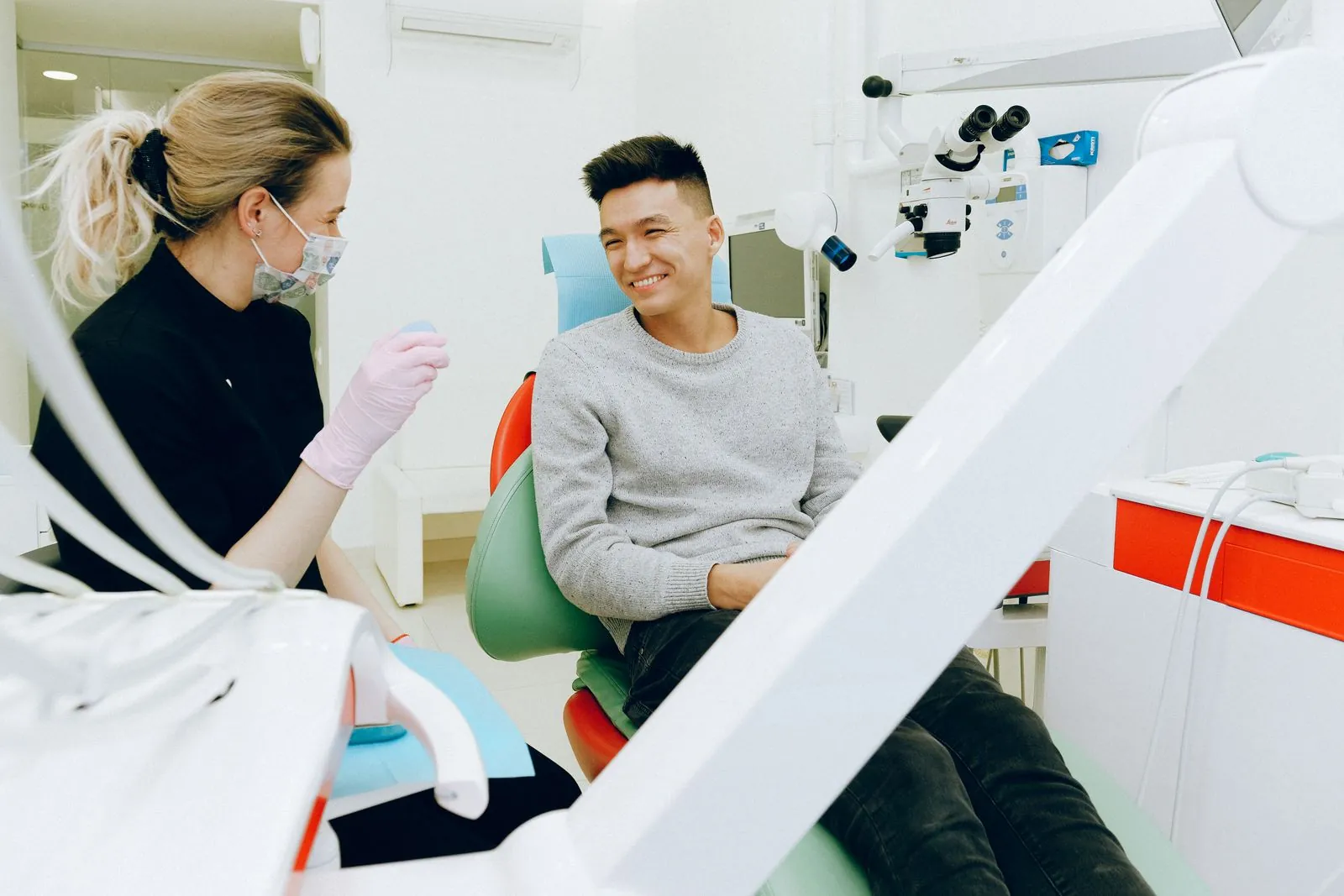
London is one of the most competitive places in the UK to market a dental practice. Within a mile of most practices there are several others offering check-ups, hygiene, Invisalign, whitening and implants, and patients compare them on their phone in a few minutes. A good dental marketing agency helps you win those comparisons consistently, not just send you a monthly report.
This guide explains what a dental marketing agency in London should actually do for your practice in 2026, how the main channels fit together, what compliance rules apply, how to measure results and the questions to ask before you sign anything.
Quick Answer
A dental marketing agency should turn local searches into booked appointments. In practice that means a fast, trustworthy website with a proper page for each treatment, local SEO and a well-run Google Business Profile, a steady flow of genuine reviews, carefully targeted paid ads for high-value treatments, and reporting that ties all of it back to enquiries and bookings. It should also know the GDC's standards and the advertising rules enforced by the ASA, so your marketing never puts your registration or reputation at risk.
Why dental marketing in London is different
Three things make London harder than most of the UK:
- Density. Patients searching "dentist near me" in Clapham, Islington or Croydon see a crowded map pack. Small differences in your Google profile, reviews and website speed decide who gets the call.
- Treatment value. Implants, Invisalign, veneers and composite bonding are high-value treatments, so practices compete hard for them, and paid-search costs reflect that.
- Mixed NHS and private demand. Many London practices have limited NHS capacity and want to grow private treatments. Marketing has to attract the right patients for the treatments you want to grow, not just more calls.
Key Takeaway
In London, generic marketing gets lost. Every channel should be built around specific treatments and specific areas you want to win.
What a dental marketing agency should cover
1. Your website as the foundation
Every other channel sends patients to your website, so it has to work. That means fast loading on a phone, clear prices or "from" prices where you can share them, a dedicated page for each key treatment, visible trust signals (GDC numbers, team photos, reviews) and easy online booking or enquiry. Our dental website design examples show what good looks like, and our guide to dental practice website design for patient conversion goes deeper.
2. Local SEO and your Google Business Profile
For most practices, the Google map pack and your Google Business Profile drive more new-patient calls than anything else. An agency should keep your categories, services, opening hours, photos and posts up to date, make sure your name, address and phone number match everywhere, and build treatment and area pages on your site that support the profile. Our SEO for dentists guide covers the detail.
3. Reviews and reputation
Reviews influence both your ranking and whether patients choose you. A good agency helps you build a simple routine for asking happy patients to review you, and helps you reply professionally to every review, including the difficult ones. See our Google reviews strategy for dental clinics.
4. Treatment pages that rank
Patients search for treatments, not practices: "Invisalign Wimbledon", "dental implants cost London", "emergency dentist open Saturday". Each high-value treatment deserves its own page answering cost, process, suitability and aftercare questions honestly. Our dental implant page template and Invisalign marketing guide are good starting points.
5. Paid ads, used carefully
Google Ads can fill your diary quickly for high-value treatments or a new practice, but only when campaigns are tightly targeted by treatment and area, landing pages are relevant and calls and forms are tracked. Ads should support SEO, not replace it: when you stop paying, the ads stop, while good organic pages keep working.
6. Social media and content
Instagram and Facebook work well for showing your team, your practice and (with consent) real results. They rarely drive bookings on their own, but they build familiarity and trust, which makes every other channel convert better.
Compliance: the part generic agencies get wrong
Dental marketing in the UK has rules that general marketing agencies often don't know. Your agency should be comfortable with:
- The GDC's standards for the dental team, including being honest and not misleading in any advertising, and showing GDC registration numbers where appropriate.
- The CAP Code, enforced by the ASA. Claims must be backed by evidence, before-and-after photos must be genuine and representative, and prices must be clear.
- Prescription-only medicines. Treatments such as anti-wrinkle injections involve prescription-only medicines, which can't be advertised to the public. Marketing has to focus on the consultation, not the product.
- UK GDPR and cookies. Tracking pixels, call tracking and enquiry forms collect personal data and need proper consent and privacy information.
We cover the website side in our guide to dental website legal requirements in the UK.
How to measure whether it's working
Rankings and traffic are useful signals, but the numbers that matter are:
| What to track | Why it matters | Where it comes from |
|---|---|---|
| New patient enquiries and bookings | The real outcome | Booking system, call tracking, forms |
| Calls and direction requests from Google | Shows your local visibility is converting | Google Business Profile performance |
| Treatment page visits and enquiries | Shows which treatments marketing is growing | Analytics and form tracking |
| Search impressions and positions for treatment terms | Early sign of SEO progress | Google Search Console |
| Cost per enquiry from ads | Keeps paid spend honest | Google Ads with conversion tracking |
| Review count and average rating | Trust and local ranking | Google Business Profile |
Ask for a monthly report in plain English that starts with enquiries and bookings, then explains what was done and what's next.
Questions to ask before you hire an agency
- Which dental practices do you work with, and can I speak to one of them?
- How will you track enquiries and bookings, not just traffic?
- Who will actually do the work, and who is my day-to-day contact?
- How do you handle GDC and ASA rules in ads, social posts and before-and-after photos?
- Who owns the website, the Google Business Profile, the ads account and the analytics if we part ways?
- What's included each month, and what costs extra?
- What's the minimum contract length and notice period?
Red flags
- Guaranteed first-page rankings. Nobody controls Google, and guarantees often mean shortcuts that can harm you later.
- The agency owns your accounts. Your domain, website, Google profile and ads account should be in your name.
- Reports full of jargon and no enquiry numbers.
- Long lock-in contracts with no clear plan for the first three months.
If you're comparing agencies, our checklist for choosing a dental web agency is a useful companion.
Next step
If you'd like a second opinion on your current marketing, we offer a free review of your dental website and Google Business Profile: what's working, what's holding you back and what to fix first. See our dental website design and London healthcare digital agency pages, or get in touch.
Dental Website Design UK
Fast, secure dental practice websites with treatment pages that rank, online booking, and managed hosting and care plans.
London Healthcare Digital Agency
Web design, SEO and digital marketing for dental practices, pharmacies and clinics across London.
About the Author

Pankaj Karad
Founder & CEO
Pankaj Karad is the founder of Karad Infotech, a London-based agency specialising in web design, SEO, and software development for healthcare businesses across the UK.
Connect on LinkedInFAQ: dental marketing agency London
What does a dental marketing agency do?
It helps your practice attract and convert new patients. That usually covers your website, local SEO and Google Business Profile, reviews, treatment pages, paid ads and social media, with reporting tied to enquiries and bookings.
Is dental SEO or Google Ads better for a London practice?
They do different jobs. Ads can bring enquiries quickly for specific treatments, while SEO builds visibility that keeps working without paying per click. Most London practices benefit from strong SEO and a Google profile first, with targeted ads for high-value treatments.
How long does dental marketing take to show results?
Google profile and website improvements can show changes in calls within weeks. SEO for competitive treatment terms in London usually takes several months. Paid ads can generate enquiries as soon as campaigns go live.
Can a dental practice use before-and-after photos in marketing?
Yes, with the patient's consent, as long as the photos are genuine, unedited and representative of typical results, in line with the CAP Code and the GDC's standards.
Should I choose a specialist dental marketing agency?
A specialist understands treatments, patient concerns and the GDC and ASA rules, which saves time and reduces risk. Whoever you choose, check they can show results for practices like yours and that you keep ownership of your accounts.
Photo: Pexels (pexels.com/photo/3845810).

Pankaj Karad
Founder & CEO
Pankaj Karad is the founder and CEO of Karad Infotech, a London-based digital agency specialising in web design, software development, and SEO for healthcare businesses. With extensive experience in pharmacy and dental clinic digital solutions, Pankaj leads the strategy and delivery of projects that help UK healthcare providers grow their online presence and patient bookings.
Visit website